

Is Your Cracked Heel Hiding a Serious Health Risk? A Podiatrist's View in Gastonia
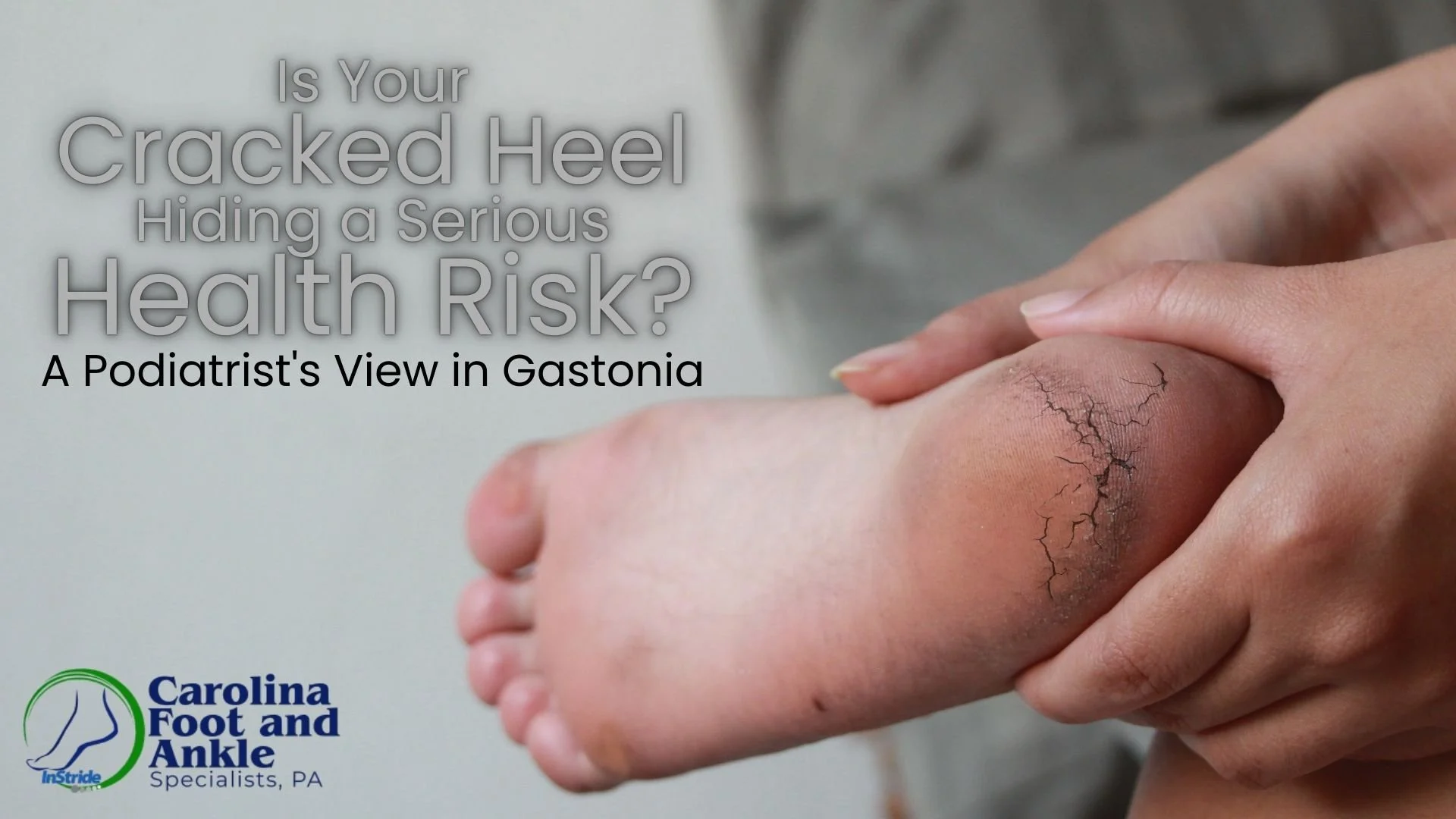
Cracked heels are common during the winter, but they can signify a more serious threat to your overall health.
It’s time to fire up the heating systems across Gastonia, Belmont, and the greater Gaston County area, and with that, you probably expect dry hands and chapped lips. What you might not expect, however, is a silent, often ignored threat that may be forming on your feet: deep, painful heel fissures.
A fissure is the medical term for a severely cracked heel, and while It's tempting to think that cracked heels are just a cosmetic annoyance, our podiatrists know that these cracks are not just surface-level dryness. In fact, for many people, particularly those with underlying health issues, a stubborn heel fissure is an open wound that demands specialized attention.
If you’re struggling with dry, cracked heels in Gastonia, Carolina Foot and Ankle Specialists wants you to know why this condition is a structural and health risk and what you can do about it:
Why Fissures Are More Than Dry Skin
The skin on your heel is the thickest and most rigid on your body, specifically designed to withstand the constant pressure of walking. Despite this, when cold winter air and indoor heating strip the air of moisture, this thick heel skin loses its elasticity.
To make matters more complicated, when you take a step, the fat pad in your heel naturally spreads out to absorb the shock. If the outer skin is dry and rigid, it can't stretch, and instead, it splits. This splitting is what creates a deep, linear fissure that often extends past the protective epidermis and into the sensitive, underlying dermis.
Heel fissures from dry, cracked skin can then let in bacteria that may lead to infection. If you’re a diabetic, you may not even notice fissures until a major complication has developed, making it all the more important to stay on top of dry, cracked skin during the winter months.
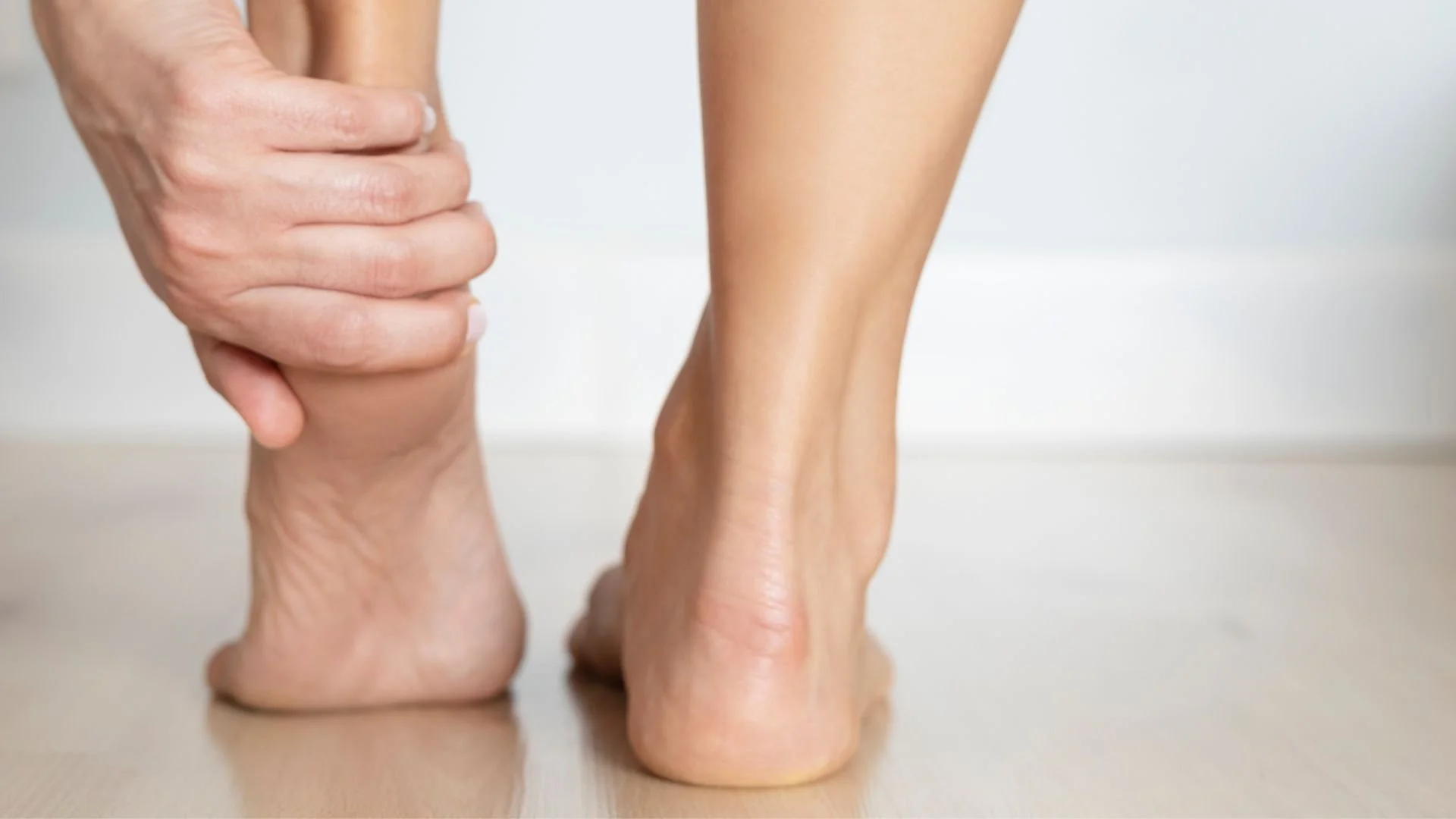
Pain is a common side effect of heel fissures resulting from dry skin. Unfortunately, the biomechanics of worsening heel fissures can play a crucial role in making the problem worse.
The Biomechanics of Pain
The pain from a fissure is often more of a biomechanical problem rather than just the usual sting of split skin and an open wound. Every time your heel makes contact with a hard surface, the force drives the edges of the fissure apart, preventing the healing process.
This constant tearing and separating irritates the deep tissue, leading to chronic inflammation that can radiate into the heel pad and Achilles area, causing persistent, dull foot pain. Unfortunately, this cycle is difficult to avoid because most people need to walk each day, even just for routine things like going to work or taking care of household chores.
For this reason, standard moisturizing efforts often fail. They treat the surface but don't address the structural pressure or the rigid callus that is acting like a vice around the crack. Essentially, once a fissure has formed around the heel area of the foot, the process has been set in motion to perpetuate ongoing injury and the potential for infection.
The Urgent Risk: Dry Feet and the Diabetic Patient
As mentioned above, for our neighbors in the Gastonia area living with diabetes, a cracked heel is never something to ignore. In fact, it may be a potential medical emergency! Because diabetes can lead to neuropathy (nerve damage) and poor circulation, this combination can lead to:
Sensation Loss: A patient may not feel the deep, bleeding crack until a severe infection has set in.
Impaired Healing: Reduced circulation slows down the delivery of oxygen and immune cells, allowing bacteria to easily enter the wound.
If left untreated, a simple winter crack can quickly progress into a severe foot ulcer, a leading cause of hospitalization and amputation. If you have diabetes and your cracked heels are bleeding, red, or warm to the touch, we urge you to contact the podiatrists at Carolina Foot and Ankle Specialists in Gastonia immediately!

Orthotics can help to balance out the foot and relieve pressure placed on heel fissures.
Our Specialized Solutions for Dry, Cracked Heels in Gastonia
At Carolina Foot and Ankle Specialists, we provide medical-grade intervention to safely address fissures along with the biomechanical problems that can come along with them. Below are just some of the ways our podiatrists can help:
Professional Debridement
This treatment involves the safe, sterile reduction of the thick, rigid callus surrounding the fissure using specialized instruments. This step is critical because it removes the "vice" preventing the skin from knitting back together. WARNING: Do not attempt this at home with razors or scissors!
Prescription-Strength Topical Treatments
We can also prescribe medical-grade topical treatments containing high concentrations of ingredients like urea or lactic acid. These are designed to deeply penetrate and restore elasticity to the thickest heel skin far more effectively than over-the-counter lotions.
Custom Orthotics
If your cracks keep returning year after year, the cause may be structural. If your unique foot mechanics place excessive pressure on a specific point of your heel during your stride, that area will continue to split. We perform a thorough gait analysis and can design custom orthotics made specifically for your feet. These devices redistribute your body weight and dynamically reduce the pressure on high-stress zones, providing the ideal, stable environment for the fissures to heal completely.
Contact Carolina Foot and Ankle Specialists Today to Schedule an Appointment
Don't let the dry winter air lead to unnecessary pain or risk. If your heels are painful, bleeding, or you’re a diabetic patient, Carolina Foot and Ankle Specialists is here to help.
Call our team right now at (704) 867-7388 to schedule your visit in Gastonia!